Lawn Mowing in Soho

Lawn Mowing Soho provides a clear, practical service for keeping domestic and commercial grass areas tidy, even when the space is small, shaped awkwardly or shared with other planting. The main work is straightforward in principle but needs care in execution: a clean cut, even finish, sensible edging and attention to the details that affect how the lawn looks in everyday use. Our service is centred on regular mowing, but we also explain the other maintenance tasks that help a lawn stay presentable across the growing season.
In an area such as Soho, outdoor spaces are often compact and highly visible, so a well-kept lawn can make a strong difference to the overall appearance of a property. We focus on the practical side of lawn care: adjusting the cut to suit the condition of the grass, working around borders and features, and avoiding a rushed result that leaves uneven patches. If you need to compare options, start with the service details below and request a quotation when you are ready.
Good mowing is more than simply running a machine over grass. The finish depends on the height of growth, the condition of the turf, how the edges are managed and whether the area needs follow-up tidying. Where useful, we can discuss recurring visits, one-off catch-up mowing and complementary garden maintenance so that the lawn remains neat rather than merely trimmed once and forgotten.
Regular mowing and seasonal lawn care
Regular mowing is the core of the service. Grass that is cut too infrequently can become coarse, uneven and difficult to restore to a presentable condition, while cutting too low can stress the lawn and leave it thin. A measured approach keeps the surface balanced and helps the turf recover after each visit. We treat each lawn as it is rather than forcing every space into the same routine, because the right mowing pattern depends on the size, shape and current condition of the area.
Seasonal growth changes how the work should be planned. In stronger growing periods, lawns may need closer attention to keep them under control, while slower periods often suit less frequent maintenance with a more conservative cut. A sensible programme also takes account of access, disposal of clippings where needed, and whether the grass sits alongside borders, steps, paving or planting that need a more careful finish.
When you are considering a service, it can help to think about the result you want from the lawn as well as how often you want it maintained. Some customers want a crisp finish for visible front or courtyard spaces, while others need straightforward upkeep that keeps the grass manageable without creating extra fuss. Our aim is a neat, dependable result that suits the property and the way the space is used.
Edging, trimming and the finishing touches

Edging makes a major difference to how a lawn reads from a doorway, window or shared access point. A cut area can still look unfinished if the edges are ragged or if grass has crept into adjoining paths and beds. Careful edging gives clearer lines, frames the lawn and helps the space feel maintained rather than merely cut. It is a useful part of the service for properties where presentation matters and where the grass area is small enough for details to show immediately.
Finishing touches may also include strimming in places a mower cannot reach easily, such as around posts, tight corners or irregular borders. This is especially relevant when the lawn sits among paving, planters or narrow side access areas. We work to leave a consistent appearance across the whole space rather than leaving obvious differences between the main cut and the harder-to-reach sections. If the lawn includes awkward edges, mention them when you ask for a quotation.
Useful items to note before a visit include:
- how the lawn is accessed and whether gates or side paths are narrow
- whether the grass is regularly cut or has become overgrown
- if edging is important around paths, borders or paved areas
- any areas that need special care because of planting or surface changes
One-off grass cutting and return visits
Some lawns only need a single tidy-up, while others benefit from repeat mowing on a planned basis. One-off grass cutting is useful when growth has been left to build up, after a period of absence, or when a property needs a quick improvement before it is shown, used or handed back to regular care. The cut is then set to the actual condition of the lawn rather than to a routine schedule that may not suit the space.
Return visits are better when you want the lawn to remain consistently neat. Regular visits usually make the work simpler because the grass stays within a manageable range, which helps protect the turf and keeps the overall finish more even. For many customers, the main decision is whether they want the convenience of an ongoing arrangement or the flexibility of occasional maintenance when growth starts to show. Either approach can work well if it matches the property.
If you are planning a first visit after a gap, it helps to be realistic about the starting point. A lawn that has become long may need a more careful approach and a different pace from a routine trim. That does not make the work unsuitable; it simply means the service should be matched to the condition of the grass so that the result is tidy and not overstrained.
Additional garden maintenance alongside mowing
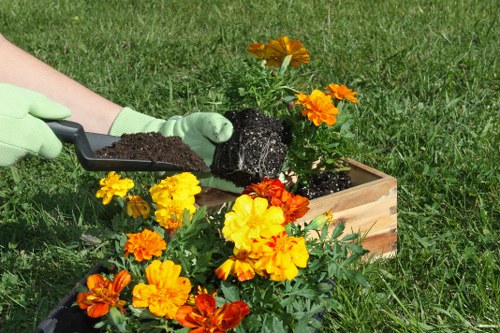
Lawn mowing often sits alongside other simple maintenance tasks that improve the overall look of a garden. Where the surrounding areas are also in need of attention, garden maintenance can include light tidying around lawn edges, keeping borders clear enough for the grass to stand out and helping the space feel ordered. This is not about turning every visit into a full redesign; it is about supporting the main mowing work with sensible upkeep where it makes a visible difference.
We can also discuss hedge trimming, garden clearance and related outdoor work when those tasks are relevant to the same property. That can be useful if the lawn is affected by overhanging growth, fallen material or general clutter at the edge of the space. Keeping these elements under control often makes mowing easier and improves the way the whole area reads, especially where the garden is compact and every section is visible from nearby rooms or entrances.
Where a customer wants a broader service plan, it is usually best to separate the jobs clearly. Mowing, trimming and clearance each have their own purpose and timing. That way the work remains practical and the quotation reflects what is actually needed rather than a bundle of tasks that do not match the condition of the property. A clear scope saves time on both sides and makes the finished result easier to judge.
How we approach quotations and scheduling
A quotation should reflect the actual lawn, not a guess. The main factors are the size of the area, its current condition, how easy it is to reach, whether clippings need clearing and whether edging or related tidying is included. These details matter because two lawns of similar size can take very different amounts of time if one is open and level while the other is awkwardly shaped or has dense growth around the perimeter.
When you request a quotation, it helps to describe the type of service you want: a one-off cut, regular maintenance or a broader package that includes other garden work. If the lawn has not been cut recently, say so plainly. Good information at the start allows the work to be scoped more accurately and reduces the chance of confusion later. If you prefer, use the main enquiry route and ask for a quotation with the details that matter most to your property.
Scheduling should also match the way the space is used. A lawn that supports everyday access may need a rhythm that keeps it neat without letting it become brittle or patchy, while a decorative area may place more emphasis on the finish than on sheer frequency. The right schedule is a practical one, not a theoretical ideal, and it should suit the property rather than an assumed standard.
Understanding the condition of the turf
The condition of the turf has a direct effect on the mowing approach. Thin grass, damp growth, patchy areas and dense stands all need slightly different treatment. Cutting with care matters because a lawn is a living surface, and a heavy-handed pass can leave it looking uneven or under strain. A sensible service works with the grass rather than forcing it into a shape that the turf cannot support well.
Where the lawn has mixed conditions, the work may need to be adjusted across the space. Some sections may cut cleanly at one setting while others benefit from a more cautious pass. That kind of detail is especially important in smaller gardens, courtyards and tucked-away spaces where every section is easy to inspect. It is better to achieve a consistent, healthy-looking result than to chase a very short cut that harms the finish.
Supportive turf care also includes leaving the area reasonably clean after the work is complete. If clippings are gathered, they should be managed in a way that keeps the lawn presentable and does not leave the surface littered. In some situations, leaving a light scatter can be appropriate, but only where it is suitable for the condition of the grass and the customer’s preference. That judgment is part of doing the job properly.
About Soho
Soho is a central London district in the West End, known for its dense street pattern, mixed uses and long association with entertainment, dining and independent culture. Its geography is compact rather than expansive, with boundaries often described in relation to Oxford Street, Regent Street, Charing Cross Road and Shaftesbury Avenue. That central position has shaped the area’s character for centuries, and it remains a place where historic layers sit close to contemporary activity. Streets such as Greek Street, Frith Street and Dean Street give Soho much of its distinctive identity, while nearby squares and small open spaces provide pauses in an otherwise highly built-up setting. The district has strong links to the city’s theatre, music and broadcasting worlds, and its daytime and evening rhythms differ noticeably from those of more residential parts of London. Architecture in Soho ranges from Georgian terraces and later rebuilds to shopfronts and upper-floor premises adapted for modern use. The area’s social history is equally varied, with immigrant communities, creative industries and nightlife each leaving their mark. Although it is tightly urban, Soho still contains pockets of green relief in nearby streets and adjoining public spaces, and its enduring appeal lies partly in the combination of scale, movement and contrast that defines the West End.
Hedge lines, borders and mixed outdoor spaces

Many lawns do not stand alone. They sit beside hedges, raised borders, paved routes or planting beds, and the mowing work needs to respect those edges. When the surrounding growth is well managed, the lawn looks cleaner and more deliberate. When it is neglected, even a good cut can appear untidy because the edges blur into the rest of the garden. This is why the service often works best when the mowing is matched with sensible trimming around the boundary points.
Mixed outdoor spaces also call for judgement. A lawn next to decorative planting may need softer handling than a plain open strip. A narrow courtyard may need a different set-up from a longer rear garden. We aim to keep the process practical, with the focus always on the finish the customer sees. That means less time spent on unnecessary routine and more attention to the parts of the space that actually affect presentation. In a compact setting, that attention is easy to notice.
If your garden includes more than grass, it helps to think in terms of the whole space rather than the mower alone. Some areas work best with a simple mowing visit; others benefit from coordination with trimming, maintenance or light clearance. The most efficient plan is usually the one that keeps the lawn prominent while avoiding unnecessary work elsewhere. Simple, well-chosen maintenance tends to create the neatest overall impression.
Services overview and related outdoor work
Our service starts with mowing, but the wider range of outdoor work can matter when you want the lawn to sit neatly within the rest of the property. Where relevant, we can also discuss landscape gardening, landscaping and decking-related work through the pages listed on the site, so that you can understand what each type of service covers before deciding what to include. That helps you avoid paying for work that is not needed and keeps the scope of the job easy to follow.
For some properties, the first question is whether a simple maintenance visit is enough or whether the garden needs a more substantial reset. If the area is heavily neglected, lawn cutting may need to sit alongside garden clearance or hedge trimming before the space reaches a manageable state. If the garden is already in reasonable shape, then routine mowing may be all that is required. The right choice depends on the condition of the space, not on a one-size-fits-all rule.
When you are ready to proceed, look at the service details that best match your property and choose the option that fits your needs. If you want the quickest route, you can request a quotation using the enquiry page, then compare the scope with the way you want the lawn maintained.
What to include in an enquiry
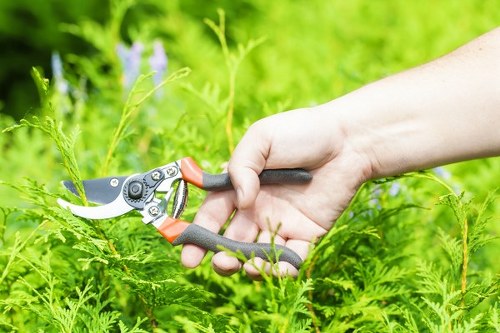
A useful enquiry should describe the lawn in plain terms. Mention the approximate size, whether the grass is in regular use, and whether any parts are difficult to reach. If the space has been neglected or if the cut needs to be tied in with trimming or clearance, say so at the outset. A short, accurate description is usually better than a long message that leaves out the key points needed to shape the quotation properly.
You may also want to mention whether the property needs a one-off visit or a recurring arrangement. That helps set expectations for frequency and for the type of finish you want to achieve. If the lawn is part of a wider outdoor area, it can be helpful to separate the main mowing request from any extra work around borders, hedges or surrounding spaces. Clear information supports a clearer response and keeps the process straightforward.
For the next step, use the quotation page or the contact route that suits you best, and ask for a lawn mowing quotation when you are ready.