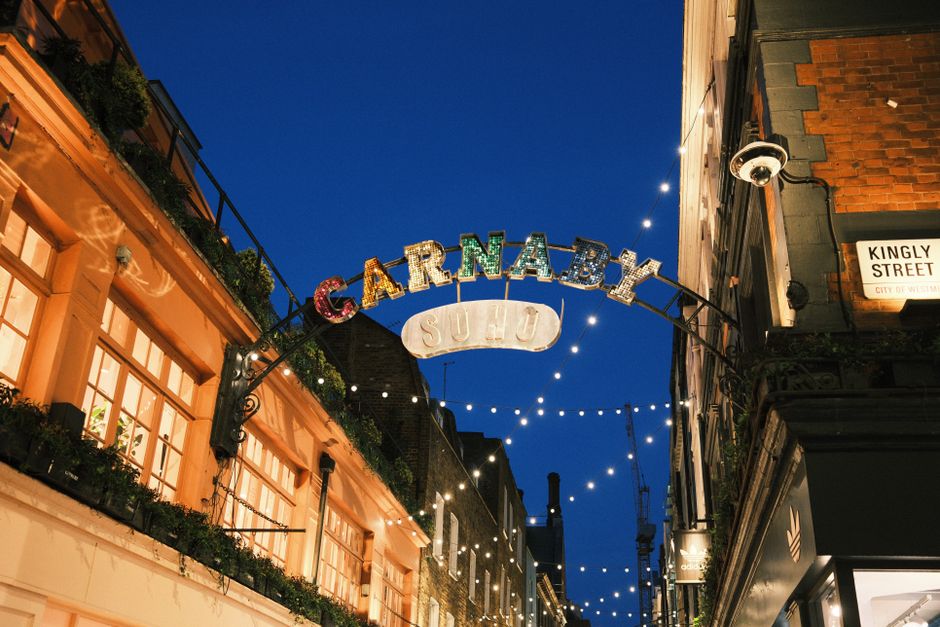
Berwick Street courtyard garden services in Soho for shop owners
If you run a shop near Berwick Street, you already know the courtyard is never just "outside space". It is part of the customer experience. It shapes the first impression, softens the hard edges of brick and paving, and can make a busy Soho frontage feel calmer in a matter of seconds. Well-planned Berwick Street courtyard garden services in Soho for shop owners help turn that awkward little gap, back yard, or shared courtyard into something that feels cared for, useful, and quietly memorable.
That matters more than people sometimes think. Customers notice when a space feels tidy and intentional. Staff notice too. And in a compact part of London like Soho, where every square metre is working hard, courtyard planting and maintenance can either support your business or become another thing to worry about. This guide breaks down what these services involve, how they work, what to expect, and how to avoid the common headaches. A bit practical, a bit local, and hopefully properly useful.
Quick take: A good courtyard garden is not about making a shop look fancy for the sake of it. It is about creating a cleaner, calmer, more welcoming space that fits your brand, handles Soho conditions, and is manageable for the long term.
Table of Contents
- Why Berwick Street courtyard garden services in Soho for shop owners Matters
- How Berwick Street courtyard garden services in Soho for shop owners Works
- Key Benefits and Practical Advantages
- Who This Is For and When It Makes Sense
- Step-by-Step Guidance
- Expert Tips for Better Results
- Common Mistakes to Avoid
- Tools, Resources and Recommendations
- Law, Compliance, Standards, or Best Practice
- Options, Methods, or Comparison Table
- Case Study or Real-World Example
- Practical Checklist
- Conclusion
- Frequently Asked Questions
Why Berwick Street courtyard garden services in Soho for shop owners Matters
Berwick Street sits in one of those parts of London where every detail feels visible. Footfall can be brisk, pavements narrow, and nearby businesses all compete for attention. In that setting, a courtyard garden is not a decorative extra. It can be a small but powerful part of how your shop presents itself.
For shop owners, the biggest value often comes from three things: appearance, function, and ease. Appearance is obvious. A neat courtyard with healthy planting, clean edges, and well-kept containers sends the right message before anyone even steps inside. Function is just as important. A courtyard may need to serve as a staff break area, a delivery buffer, storage access, a display backdrop, or a quiet corner for customers at certain times of day. Ease matters because if the garden is hard to maintain, it quickly slips into neglect. Then the whole space starts to feel tired.
Soho also has its own pressure points. Shade from taller buildings, wind tunnels between structures, limited soil depth, and higher pollution levels all affect how plants perform. That means a courtyard on Berwick Street cannot be treated like a suburban patio with a few pots thrown in for effect. Truth be told, that approach rarely lasts more than one season.
A thoughtful service takes the local setting seriously. It considers access, light levels, watering routines, planting durability, and how the courtyard connects with your business hours. For some shops, that means a soft green backdrop. For others, it means structured planting, seasonal colour, and a tidy, low-fuss layout that looks good even on a grey Tuesday morning.
If you are building out a wider exterior strategy, it can also help to look at broader support through the full range of outdoor services and keep long-term upkeep in mind rather than treating the courtyard as a one-off job.
How Berwick Street courtyard garden services in Soho for shop owners Works
At its best, the process is straightforward, but it does need care. Most courtyard garden services begin with a site review. That review looks at the shape of the space, the condition of surfaces, drainage, sun and shade, existing planting, and what the courtyard actually needs to do day to day.
From there, the work usually falls into a few clear stages:
- Assessment and brief - what do you want the courtyard to do, and what problems does it currently have?
- Clearance and prep - removing waste, dead growth, damaged planters, or any clutter that is making the area hard to work with.
- Design or refresh plan - choosing planting styles, hard landscaping elements, or maintenance routines that suit the space.
- Installation or improvement work - planting, pruning, edging, container arrangement, soil improvement, or structural updates where needed.
- Ongoing maintenance - watering, trimming, feeding, deadheading, pest checks, and seasonal adjustments.
That might sound simple. It rarely is, completely. Courtyards in Soho often have awkward access, limited storage, and mixed-use pressure. A contractor may need to move materials through a narrow route, work around business opening hours, or coordinate with neighbouring tenants. A good service plans for those real-world constraints rather than pretending they do not exist.
For example, if the courtyard is shared between a retail shop and an upstairs office, the planting scheme needs to be attractive but not messy. Spiky, overgrown, or heavily scented planting may not be the right fit. Likewise, if deliveries come through the same route, planters must be placed so they do not become obstacles. Simple, but easy to get wrong.
That is why good providers usually offer a maintenance-led approach. They are not just installing greenery; they are making sure it can survive the realities of a small Soho space, where dust, foot traffic, and weather all do their bit.
Key Benefits and Practical Advantages
The benefits of courtyard garden services are both visible and practical. Some are immediate. Others build over time.
- Better first impressions: A clean, designed courtyard makes the whole business feel more considered.
- Improved brand atmosphere: The space can echo your shop style, whether that is luxury, independent, creative, minimalist, or heritage-led.
- Reduced visual clutter: Good planting and layout can hide bins, blank walls, and awkward service areas.
- More usable space: A courtyard can become a staff retreat, a receiving area, or a calm transition zone for customers.
- Lower stress maintenance: Professional upkeep helps prevent the gradual slide into overgrowth and mess.
- Better seasonal consistency: The space can be kept looking presentable across spring, summer, autumn, and even the duller months.
There is also a softer benefit that is easy to underestimate. A green space changes how a busy day feels. Standing in a courtyard filled with hard surfaces, noise, and stale air can drain people a little. Add structure, texture, and a few resilient plants, and the same space feels less punishing. Not magical. Just better. Sometimes that is enough.
For shop owners, this can matter in a commercial sense too. Customers are more likely to linger, staff may feel more comfortable taking breaks, and the entire property can seem better cared for. If you are thinking beyond the courtyard itself, services such as landscaping and landscape gardening can help tie the outdoor look together rather than leaving the courtyard feeling isolated from the rest of the premises.
Who This Is For and When It Makes Sense
Not every shop owner in Soho needs a courtyard garden service in the same way. Some need full redesign support. Others just need reliable maintenance and a tidy-up before things drift out of hand.
This service is especially relevant if you are:
- a retailer with a rear courtyard or lightwell that customers occasionally see
- a boutique owner who wants the premises to feel polished and premium
- a cafe, deli, or specialty food shop using an outdoor area for staff or storage movement
- a business dealing with poor drainage, bare paving, or tired containers
- a landlord or managing retailer responsible for the appearance of a shared commercial courtyard
- someone preparing for a relaunch, seasonal refresh, or tenant handover
It also makes sense if you have reached that familiar point where everyone says the courtyard "just needs a bit of a tidy", and then nobody has the time to do it properly. We have all seen those spaces. A few dead plants, one broken pot, a stretch of mossy paving, and suddenly the area feels more neglected than it really is.
There are also times when the decision is urgent. After a busy trading period. Before a seasonal event. When a new tenant moves in. Or when a courtyard has become a bit of an eyesore and you would rather fix it before customers notice. Because they will. They always do, in the end.
Step-by-Step Guidance
If you are planning courtyard garden services for a shop on or near Berwick Street, the process becomes easier when you think in practical steps rather than just "getting it sorted". Here is a sensible way to approach it.
1. Clarify what the courtyard is for
Start with function. Is this a customer-facing space, a private staff area, a delivery route, or a bit of all three? The answer changes everything. A courtyard that only needs occasional visual appeal can support more decorative planting. A working courtyard needs tougher materials, easier access, and very clear layout decisions.
2. Record the current issues
Walk the space at different times of day if you can. Morning shade may turn into afternoon glare. A corner that looks dry may actually be damp after rain. Note broken paving, drainage problems, trip hazards, overgrown roots, and anything that makes maintenance awkward.
3. Decide whether you need clearance, redesign, or maintenance
Some spaces only need garden clearance and a reset. Others benefit from ongoing garden maintenance with seasonal planting, pruning, and waste removal. And some courtyards need a more structural approach with raised beds, containers, or hard landscaping adjustments.
4. Choose planting that suits Soho conditions
This is where experience really matters. Courtyards in central London often deal with shade, reflected heat, wind, and patchy watering. Choose resilient plants, not just attractive ones. Think about evergreen structure, texture, and tolerance for low light if the space is enclosed. A lush look is possible, yes, but only if the plant selection is honest.
5. Plan access and ongoing upkeep
Ask practical questions. Who waters the plants? Where is the hose or water source? Can waste be removed easily? Who checks the planters after a holiday weekend? A courtyard that looks great once but becomes impossible to care for is, frankly, a future problem wearing a pretty coat.
6. Set a realistic maintenance rhythm
For most shop owners, it is better to have a simple, regular schedule than an ambitious one that nobody can keep up with. Seasonal resets, monthly visits, or weekly touch-ups might be more useful than big occasional interventions.
Expert Tips for Better Results
Over time, the best courtyard spaces tend to share a few habits. Nothing dramatic. Just sensible decisions repeated consistently.
Use containers with purpose. In tight spaces, containers are often better than digging into limited ground soil. They allow flexibility, make replacement simpler, and can be repositioned if foot traffic changes. The trick is to avoid random pot collecting. One large, well-chosen planter can do more than three mismatched ones.
Prioritise structure before flowers. Seasonal colour is lovely, of course. But if the bones of the space are weak, flowers only patch the problem for a few weeks. Evergreen shapes, hardy shrubs, and tidy edging give the courtyard a year-round backbone.
Match the garden to the shop brand. A luxury boutique might suit restrained planting and elegant containers. A creative retail space may handle bolder texture and more relaxed arrangements. A food shop might want clean, fresh-looking planting that feels hygienic and well maintained. There is no single right answer.
Make maintenance visible but unobtrusive. Customers should see care, not clutter. Tools, waste bags, and watering equipment should have a proper home. Otherwise the courtyard becomes a worksite, and nobody wants that.
Think in zones. Even a small courtyard can have a visual focal point, a functional edge, and a hidden service area. Separating those functions makes the space feel calmer and easier to manage.
And one more thing. Do not overplant. It sounds counterintuitive, but cramming too much into a courtyard often makes maintenance harder and makes the space look smaller. Breathing room matters. Quite a lot, actually.
Common Mistakes to Avoid
Some courtyard problems are repeated so often they almost feel standard. They are not. They are just common.
- Choosing plants for looks only: Attractive plants that fail in shade or dry conditions will not stay attractive for long.
- Ignoring drainage: Soho courtyards can hold water or channel it badly. That leads to slippery surfaces, root stress, and mess.
- Making the layout too busy: Too many pots, paths, or decorative objects can make a small area feel cramped and awkward.
- Forgetting access: If maintenance staff cannot reach a planter easily, it will be neglected sooner or later.
- Not planning for leaves and debris: Courtyards collect grime fast. A good service anticipates this rather than reacting too late.
- Using fragile materials: Delicate finishes may look nice on day one but struggle in a working commercial setting.
A smaller mistake, but a costly one in the long run, is failing to agree who is responsible for what. Shop owner, landlord, managing agent, cleaner, gardener. If nobody owns the routine, the routine vanishes. Simple as that.
There is also the seasonal issue. A courtyard that looks lovely in May can look flat and sad by late autumn if it has no backbone. Planning for year-round structure saves a lot of disappointment.
Tools, Resources and Recommendations
You do not need a warehouse full of kit to manage a courtyard well, but the right tools and materials make a noticeable difference. For professional servicing, useful basics often include pruning tools, containers with good drainage, quality compost or soil improver, watering equipment, waste bags, gloves, and simple edge-trimming tools.
For shop owners, the more important "resource" is often scheduling. If your courtyard gets neglected because nobody has a slot in the diary, even the best planting will suffer. A recurring maintenance plan is usually more valuable than a one-off dramatic makeover.
These supporting services can also help depending on the space:
- hedge trimming for compact screening and neater boundaries
- lawn mowing if the courtyard includes a small turf section
- decking services where a harder, more usable surface is needed
- tree lopping and removal if canopy issues or safety concerns are affecting the space
- recycling and sustainability if waste handling and greener disposal matter to your business values
For budget planning, a clear pricing conversation helps. You can review pricing and quotes early on, which saves a lot of back-and-forth later. It is one of those sensible steps that feels boring until it prevents a headache.
Law, Compliance, Standards, or Best Practice
Courtyard garden work for shop owners is not usually a highly regulated niche in the way some trades are, but there are still important duties and sensible standards to keep in mind. In a commercial setting, you should think about access, safety, waste handling, and what may affect staff, customers, neighbours, or contractors.
For example, slippery surfaces, loose paving, sharp edges, trip hazards, obstructed fire routes, and poor waste storage can all create avoidable problems. If the courtyard is used by staff or accessed during trading hours, sensible risk management matters. That means keeping the area tidy, making sure tools and materials are not left in walkways, and checking that planting does not create a hidden hazard.
If contractors are working on-site, it is wise to confirm insurance and safety arrangements in advance. You can also look at health and safety policy and insurance and safety information to understand the sort of standards a professional service should be able to discuss clearly.
Waste disposal is another area where best practice matters. Green waste should be handled properly, and any recyclable material should be separated where appropriate. That is not just a nice extra. It is part of running a responsible business. If sustainability is important to your shop, a service with a clear recycling and sustainability approach is usually a better fit.
One small but important note: if your courtyard is part of a leasehold or shared property arrangement, check who is responsible for maintenance decisions before starting work. That avoids awkward phone calls later. Nobody loves those.
Options, Methods, or Comparison Table
Different courtyard approaches suit different shop types. Here is a simple comparison to help you think clearly before committing.
| Approach | Best for | Main advantages | Potential drawbacks |
|---|---|---|---|
| Basic tidy and maintenance | Courtyards that are already functional but tired | Quick improvement, lower disruption, easier to budget for | Limited visual transformation if the layout is poor |
| Planting refresh | Spaces needing better colour, texture, or seasonal interest | Strong visual uplift, flexible, good for branding | Needs regular upkeep and watering discipline |
| Courtyard redesign | Areas with structural issues, bad flow, or awkward access | Can solve practical problems and improve appearance together | More planning, more time, usually more investment |
| Hard landscaping with planting | Working courtyards with heavy footfall or delivery movement | Durable, easier to manage, strong long-term value | Less soft greenery if not balanced well |
| Ongoing seasonal maintenance | Businesses wanting a consistently polished look | Reliable appearance, fewer surprises, better year-round control | Requires commitment to a recurring schedule |
If your goal is simply to make the courtyard look acceptable again, a tidy and maintenance plan may be enough. If the space is part of your customer journey or brand identity, a redesign may be the smarter move. As ever, the right option depends on what the space has to do, not just what looks nicest in a photo.
Case Study or Real-World Example
Imagine a small independent shop on Berwick Street with a rear courtyard used for deliveries, staff breaks, and the occasional customer event. The space has old containers, patchy planting, some mossy paving, and one awkward corner where water tends to sit after rain. Not disastrous, just neglected enough to drag the rest of the property down a little.
The first step would probably be clearance. Remove dead plants, broken pots, and debris. Then assess access routes so the space stays practical for deliveries. Next comes planting selection: sturdy evergreen structure near the edges, a few seasonal containers for colour, and nothing that sheds constantly or grows into the walkway. If the area gets poor light, the planting plan would need to reflect that instead of fighting it.
Once installed, the courtyard would need a realistic maintenance rhythm. In practice, that might mean regular checks for watering, deadheading, and debris removal; seasonal refreshes; and occasional pressure cleaning or surface care where safe and appropriate. The point is not to make it perfect. It is to make it steady, presentable, and easy to live with.
That kind of approach tends to work well for shops because it supports the business rather than demanding constant attention. And really, that is the goal. A courtyard should help your premises feel ready for customers, not become another little drama in the back of house.
Practical Checklist
Use this checklist before you book or begin any courtyard garden work in Soho:
- Confirm what the courtyard is used for day to day
- Check who owns or manages the space
- Note access limitations, delivery routes, and working hours
- List any safety concerns such as uneven paving or slippery surfaces
- Identify light, shade, wind, and drainage conditions
- Decide whether you need clearance, redesign, or maintenance
- Choose planting that can cope with local conditions
- Plan where tools, water, and waste will be stored or removed
- Agree a maintenance frequency that is realistic
- Check insurance, safety, and waste handling expectations
- Review budget and quotation details before work starts
- Make sure the finished space supports your brand and operations
If even one or two of those points are unclear, pause and sort them out first. It saves trouble. Usually a lot of it.
Conclusion
Berwick Street courtyard garden services in Soho for shop owners are about much more than planting a few nice things in a corner. Done properly, they shape how your business looks, feels, and functions. They help a courtyard work with the realities of Soho rather than against them, which is the real trick.
The best results come from clear purpose, practical planning, and maintenance that matches the pace of your business. Keep the design honest. Choose resilient planting. Respect access and safety. And do not wait until the courtyard looks exhausted before acting. A small, well-kept space can make a surprisingly strong impression when everything else around you is moving fast.
Get a free quote today and see how much you can save.
Frequently Asked Questions
What are Berwick Street courtyard garden services in Soho for shop owners?
They are professional services that help shop owners design, refresh, maintain, or improve courtyard garden spaces near Berwick Street in Soho. The work may include planting, clearance, pruning, layout changes, hard landscaping support, and ongoing upkeep.
Why should a shop owner care about a courtyard garden?
Because it affects first impressions, staff comfort, and the overall feel of the premises. In a busy area like Soho, a tidy courtyard can make the whole business seem more organised and welcoming.
Do I need a full redesign or just maintenance?
That depends on the condition of the space. If the courtyard is functional but tired, maintenance may be enough. If access is poor, surfaces are damaged, or the layout no longer works, a redesign may be a better long-term choice.
How often does a courtyard garden need upkeep?
It depends on planting, weather exposure, and use. Some courtyards only need monthly attention, while others benefit from weekly checks. In busy commercial settings, regular care usually prevents bigger problems later.
What kind of plants work best in Soho courtyards?
Plants that cope well with shade, reflected heat, wind, and limited soil depth are usually the safest bet. Evergreen structure is useful, along with hardy plants that do not demand constant attention.
Can a small courtyard still make a difference?
Absolutely. Small spaces often have the biggest visual impact because people notice them up close. A well-kept courtyard can lift the feel of a shop far more than its size might suggest.
Are courtyard garden services disruptive to trading?
They can be managed to minimise disruption. Good planning helps work around opening hours, deliveries, and staff routines. For many small spaces, the disruption is quite limited if the job is organised properly.
What should I ask before hiring someone for courtyard work?
Ask about experience with commercial spaces, access planning, insurance, waste removal, maintenance options, and how they handle awkward sites. It is also sensible to ask how they approach safety and long-term upkeep.
Do courtyard services include waste removal?
Often, yes, but it should always be confirmed in advance. Clearance, green waste handling, and recycling arrangements can vary between providers, so it is worth checking the details before work begins.
How do I keep a courtyard looking good through the year?
Use a mix of structure and seasonal planting, keep a regular maintenance rhythm, and choose materials that can handle commercial use. A yearly plan usually works better than occasional emergency tidy-ups.
Is there a best time of year to start courtyard improvements?
Many improvements can be started at any time, but spring and early autumn are often practical for planting and refresh work. That said, a clearance or maintenance reset can be useful whenever the space starts to look neglected.
Can courtyard garden services help with branding?
Yes. The planting style, container choice, and overall layout can all reinforce your shop's identity. A courtyard can feel polished, creative, calm, or premium depending on how it is designed.
Sometimes the smallest outdoor space ends up saying the most about a business. Keep it cared for, keep it useful, and it will quietly do its job day after day.