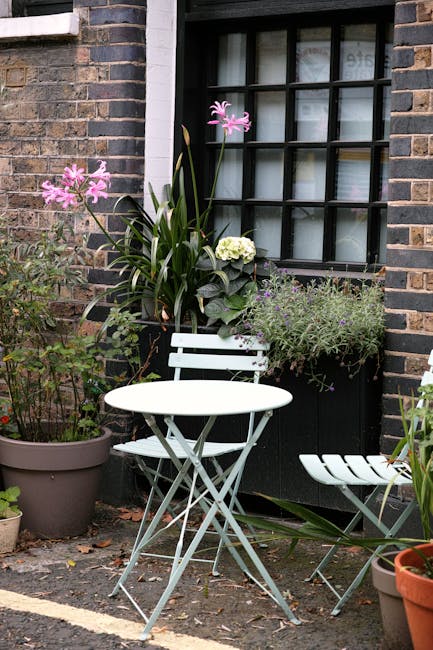
Soho gardeners guide to Carnaby Street terraces
If you manage or care for a terrace near Carnaby Street, you already know it is a very specific kind of gardening job. Space is tight, wind tunnels appear where you least expect them, and what looks fine in a quiet courtyard can turn scruffy fast in a busy West End setting. This Soho gardeners guide to Carnaby Street terraces is designed to help you make better decisions, avoid common mistakes, and keep small outdoor spaces looking sharp without creating extra work for yourself.
Terrace planting in this part of London is never just about "tidying up a few pots." It is about choosing plants that can cope, planning access in a practical way, and understanding how maintenance fits around businesses, residents, deliveries, and the general pace of Soho life. To be fair, the best terrace gardens are usually the ones that look effortless because someone thought through the details early.
Whether you are responsible for a restaurant terrace, boutique frontage, office outdoor space, or a residential balcony-style terrace, the principles are similar: keep it resilient, keep it safe, and keep it looking intentional. Let's get into the practical side.
Table of Contents
- Why Soho gardeners guide to Carnaby Street terraces Matters
- How Soho gardeners guide to Carnaby Street terraces Works
- Key Benefits and Practical Advantages
- Who This Is For and When It Makes Sense
- Step-by-Step Guidance
- Expert Tips for Better Results
- Common Mistakes to Avoid
- Tools, Resources and Recommendations
- Law, Compliance, Standards, or Best Practice
- Options, Methods, or Comparison Table
- Case Study or Real-World Example
- Practical Checklist
- Conclusion
- Frequently Asked Questions
Why Soho gardeners guide to Carnaby Street terraces Matters
Carnaby Street terraces sit in one of the busiest, most visible parts of central London. That changes everything. A terrace here is not hidden at the back of a property where a plant can sulk for a week and nobody notices. It is part of the first impression. It affects atmosphere, footfall, dwell time, and the way people experience the space.
In practice, this means terrace gardening becomes a mix of horticulture, presentation, and logistics. You need plants that tolerate shallow containers, reflected heat, shade from neighbouring buildings, occasional dry spells, and the occasional rough weather front blowing through Soho. And because access is often awkward, the maintenance plan matters almost as much as the planting plan.
That is why a local, practical guide is so useful. A good Soho gardener does not just "make it pretty." They help a terrace work properly across the seasons, with minimal fuss and a realistic maintenance rhythm. If you want more than a temporary floral burst, you need a system.
For readers comparing services, it can help to understand the broader offering first. Our services overview explains how ongoing garden care is usually structured, while our pricing and quotes page gives a sensible starting point for planning a budget without guesswork.
How Soho gardeners guide to Carnaby Street terraces Works
Terrace gardening in this setting usually starts with observation. Not glamorous, but essential. Before any planting is done, you want to understand light levels, wind exposure, drainage, access points, weight limits, and how people actually move through the space. A terrace may seem sunny at 11am and then spend the rest of the day in shade. Or it may catch the full brunt of wind that bounces down a narrow street. Tiny details, big consequences.
The work then moves into a few connected layers:
- Assessment: checking containers, soil condition, drainage, and structural constraints.
- Plant selection: choosing varieties suited to the site, not just the style brief.
- Installation: arranging pots, planters, climbers, and any support structures safely and neatly.
- Maintenance: watering, feeding, deadheading, pruning, pest checks, and seasonal refreshes.
- Presentation: keeping the space tidy so it looks cared for every day, not only after a visit.
Good gardeners in Soho also think about what happens between visits. A terrace might need self-watering containers, a watering schedule for staff, or a simple plant mix that can survive a missed day or two. Truth be told, the best setup is often the one that anticipates human forgetfulness.
There is also the question of safety and site management. If work is taking place in a shared or public-facing area, it should be carried out with sensible controls in place. That is one reason many clients look for reassurance around health and safety practice and insurance and safety before they commit. Fair enough, really.
Key Benefits and Practical Advantages
A well-managed terrace brings benefits that go beyond appearance. In a location like Carnaby Street, the gains are often commercial, practical, and even psychological. People notice when a space feels cared for. They also notice when it does not.
Here are the main advantages:
- Better kerb appeal: a tidy, well-planted terrace helps create a stronger first impression.
- Improved usability: a planned layout makes the space easier to walk through, clean, and enjoy.
- More reliable plant performance: the right species and containers reduce failure rates.
- Less reactive maintenance: a routine prevents the "everything needs fixing at once" problem.
- Stronger brand feel: for businesses, planting can reinforce identity and atmosphere.
- Seasonal flexibility: terraces can be refreshed without a full redesign each time.
There is another benefit that gets overlooked: calm. A neat terrace with healthy planting can soften a busy frontage and make the whole place feel less hectic. Even a small patch of green can change the rhythm of a space. You know it when you see it.
From a sustainability angle, there can also be waste reduction benefits if you choose durable containers, compost responsibly, and select plants that do not need constant replacement. If that matters to your organisation or household, it is worth reading the site's recycling and sustainability guidance before deciding how materials and green waste should be handled.
Who This Is For and When It Makes Sense
This guide is for anyone responsible for a terrace in or around Carnaby Street who wants the space to look good without becoming a maintenance headache. That includes commercial and residential users alike.
Typical situations include:
- restaurants and cafes with front terraces or outdoor seating
- boutiques and hospitality venues wanting a polished street presence
- office managers looking after shared outdoor areas
- property managers overseeing small planters or roof-level terraces
- homeowners or tenants with compact outdoor spaces above or behind street level
It makes sense to bring in specialist help when you notice one or more of these signs:
- plants keep drying out or failing in the same spots
- the terrace looks messy between refreshes
- maintenance is being done, but the result still feels inconsistent
- staff are unsure who should water, trim, or reset the display
- the planters are too heavy, too awkward, or too exposed for the current setup
Sometimes the need is seasonal. Sometimes it is urgent. A summer terrace might need a full visual reset for the busy months, while a winter terrace may only need structure, evergreens, and a bit of discipline. Either way, a thoughtful plan saves time later. That part is not glamorous, but it matters.
If your next step is simply to understand what help is available, the main Soho gardening page is a sensible place to begin.
Step-by-Step Guidance
Below is a practical way to approach a Carnaby Street terrace without overcomplicating it. Small spaces reward clear thinking.
-
Start with the conditions.
Check how much direct sun the terrace receives, where the wind funnels through, and whether water drains away properly. Look at the space at different times of day if you can. Morning light can be very different from late afternoon shade.
-
Define the purpose of the terrace.
Is it decorative, social, low-maintenance, or all three? A terrace used for customer seating should not be designed the same way as a purely visual frontage. Function comes first. Always.
-
Choose containers that suit the site.
Lightweight planters may be useful where access is difficult, but they still need stability. Deep containers generally hold moisture better than shallow ones. If you are dealing with a breezy, exposed position, avoid anything that tips too easily. It sounds obvious, but people do get caught out.
-
Select plants for resilience, not just colour.
Plants should suit the exposure, maintenance level, and visual style you want. Mix structure with seasonal interest. A terrace full of delicate plants that need constant fussing is not a plan; it is a promise of disappointment.
-
Build in irrigation and watering discipline.
Containers dry out faster than ground borders, especially in warm or windy periods. A watering can work fine for tiny spaces, but larger terraces may benefit from a more consistent method. Whatever the system, make it simple enough that people actually use it.
-
Set a maintenance rhythm.
Deadheading, trimming, checking for pests, removing debris, and topping up compost should happen regularly. Little jobs done often are much easier than big rescue jobs later.
-
Review the terrace each season.
What worked in spring may struggle in August. What looked full in June may look tired by autumn. A seasonal reset keeps the whole thing coherent and avoids that half-neglected feel.
A small but useful rule: if a planter is awkward to reach, it will probably be neglected sooner or later. So place the most demanding plants where they are easiest to care for. That one adjustment alone can save a lot of hassle.
Expert Tips for Better Results
There are the basics, and then there is the difference between "fine" and genuinely good. Here are a few practical tips that make a real difference on Soho terraces.
1. Use layers, not just colour. A strong terrace usually combines height, structure, and softer filler planting. Think upright elements, trailing plants, and something with texture. Flat-looking displays tend to feel thin very quickly.
2. Prioritise drainage. Pots without proper drainage are a headache waiting to happen. In wetter periods, roots can suffer just as much from too much water as too little. If you've ever lifted a planter and found soggy compost and unhappy roots, you'll know the feeling.
3. Choose plants that forgive mistakes. In a fast-moving central London environment, perfection is unrealistic. Choose resilient options that can cope with a missed watering or a gusty week. Reliability beats fussiness every time.
4. Keep the visual palette tight. Too many colours or container styles can make a compact terrace look cluttered. A restrained scheme often feels more luxurious and more intentional.
5. Plan for staff turnover or shared responsibility. If several people may water or move plants, create simple written instructions. One page is enough. People are busy. Nobody wants a novel.
6. Let the maintenance schedule match the site, not the wish list. If the terrace only gets attention once a fortnight, design for that reality. It is better to have a robust, stable display than a high-maintenance one that falls apart by Tuesday.
A small human aside: I have seen terraces transformed not by expensive planting, but by just getting the basics right and keeping them consistent. Nothing magical. Just steady care. That's usually the secret.
Common Mistakes to Avoid
Most terrace problems are preventable. The tricky bit is that the mistakes often look harmless at the start.
- Choosing plants for looks alone: a beautiful plant that hates wind or shade will not stay beautiful for long.
- Overcrowding containers: packed planters may look full on day one, then become chaotic or unhealthy.
- Ignoring weight and access: large planters can be difficult to move and may not suit every structure.
- Forgetting watering responsibility: if nobody owns the task, the terrace suffers.
- Using too many different materials: clashing pots, colours, and finishes can make the whole setup look messy.
- Neglecting seasonal turnover: some terraces need refreshes to stay lively, especially in a commercial setting.
- Not planning waste removal: pruning, dead plants, packaging, and spent compost all need somewhere to go.
The biggest mistake, honestly, is treating a terrace like a one-off decoration rather than a living system. It needs a rhythm. Without that, even the best design loses momentum.
Tools, Resources and Recommendations
You do not need a van full of specialist kit to maintain a terrace well, but the right tools make the work cleaner and faster.
| Tool or resource | Why it helps | Best used for |
|---|---|---|
| Hand trowel and secateurs | Useful for small-scale planting and tidy pruning | Routine maintenance and seasonal refreshes |
| Quality compost | Supports healthier root growth and better water retention | Potting up and repotting containers |
| Watering can or irrigation setup | Keeps moisture levels more consistent | Daily or scheduled watering |
| Mulch or decorative top dressing | Helps reduce evaporation and improves appearance | Container finishing and moisture control |
| Plant labels or a care sheet | Makes shared upkeep easier | Mixed-ownership terraces or staff-managed spaces |
For businesses, it is also worth thinking about how gardening support fits into the wider service relationship. Clear quotes, payment handling, and service scope all matter. If that is part of your decision-making, the pages on payment and security and pricing and quotes are useful to review before you move forward.
And if you ever need to understand how a provider handles customer concerns, a transparent complaints procedure is a good sign that the business takes service quality seriously. Not glamorous, but reassuring.
Law, Compliance, Standards, or Best Practice
For terrace gardening in central London, the relevant issue is usually not a single "gardening law" but a combination of common-sense best practice, site safety, access management, and any building or tenancy restrictions that apply to the property. If the terrace is part of a commercial premises, lease terms or landlord permissions may matter. If it is a shared building, access and responsibility should be clear.
It is sensible to consider:
- Risk management: heavy pots, trip hazards, water spillages, and falling debris should all be planned for.
- Working safely at height: if maintenance involves ladders, roofs, or awkward access, it needs proper care.
- Insurance: anyone carrying out work should be covered appropriately for the tasks they perform.
- Waste handling: clippings, dead plants, and packaging should be disposed of responsibly.
- Accessibility: pathways, doors, and shared areas should remain usable and uncluttered.
That is why policy pages matter more than people think. They show whether a provider has thought through the practical side, not just the gardening side. Our accessibility statement and insurance and safety information are there to help set expectations clearly.
Where sustainability is part of your brief, best practice may also include reducing waste, choosing durable materials, and reusing containers when they are still in good condition. Again, small decisions add up.
Options, Methods, or Comparison Table
There is no single right way to manage a terrace. The best method depends on how visible the space is, how often it is used, and how much upkeep you can realistically support. Here is a simple comparison that can help.
| Approach | Best for | Pros | Trade-offs |
|---|---|---|---|
| Low-maintenance evergreen scheme | Busy terraces, limited staffing, year-round structure | Reliable, tidy, less seasonal disruption | Can feel conservative if not layered well |
| Seasonal display rotation | Hospitality fronts, retail spaces, high visual impact | Fresh, adaptable, visually striking | Needs more upkeep and planning |
| Mixed container planting | Compact terraces with varied sun and shade pockets | Flexible, creative, easy to update | Can look messy if not coordinated |
| Self-watering setup | Sites with inconsistent daily attention | More consistent moisture, fewer losses | Higher setup effort and cost |
Practical summary: if you need consistency and ease, choose structure first. If you need visual theatre, use seasonal colour carefully, but anchor it with plants that will still look decent when the weather turns a bit rude. Which, in London, it often does.
Case Study or Real-World Example
Imagine a small terrace near Carnaby Street used by a hospitality venue. The team wants it to feel welcoming at lunchtime, attractive in the evening, and manageable without adding a full-time gardening task to the rota. The old setup is a mix of tired pots, a couple of overwatered herbs, and one planter that never seems to drain properly. Very familiar story.
The solution is straightforward but considered:
- replace the mixed, mismatched containers with a coordinated set
- use a few robust structural plants to give the terrace shape
- add seasonal colour in smaller groups rather than everywhere at once
- set out a watering routine with one named person responsible per shift
- remove anything that blocks movement or makes cleaning awkward
After that, the terrace becomes easier to keep clean and more pleasant to use. It does not need constant intervention. More importantly, the team stops firefighting. Instead of replacing dead plants every few weeks, they can focus on small, regular adjustments. The result is not a dramatic transformation story with fireworks and confetti. It is better than that. It works.
This is usually how good terrace gardening succeeds in Soho: through practical decisions that quietly improve the space day after day.
Practical Checklist
Use this checklist before starting or refreshing a terrace scheme.
- Have you checked light, wind, shade, and drainage?
- Do the containers suit the space, access route, and weight limits?
- Are the plants chosen for resilience as well as appearance?
- Is there a clear watering plan?
- Has someone been assigned responsibility for routine upkeep?
- Are walkways, entrances, and service access kept clear?
- Have you planned for seasonal refreshes or plant replacement?
- Is waste removal part of the maintenance plan?
- Have safety and insurance considerations been reviewed?
- Does the design feel consistent with the site's brand or use?
Quick takeaway: if the answer to any of those is "not yet," it is worth sorting before the terrace becomes a bigger job than it needs to be.
Conclusion
A successful terrace in Carnaby Street is never an accident. It comes from choosing the right plants, keeping the layout sensible, and making maintenance realistic for the people who actually have to live with it. The best Soho terraces look calm because they are planned that way.
If you remember one thing from this guide, make it this: design for the site you really have, not the idealised version you wish you had. That single shift changes everything. It reduces waste, saves time, and gives you a terrace that can handle the pace of Soho without falling apart the moment the weather turns or the calendar gets busy.
If you are ready to improve a terrace near Carnaby Street, a local service conversation is usually the next sensible move. Start with a clear brief, ask about maintenance, safety, and pricing, and make sure the approach fits your space rather than forcing the space to fit the plan.
Get a free quote today and see how much you can save.
And if nothing else, give the terrace one honest look at dusk. That soft evening light tells the truth pretty quickly.
Frequently Asked Questions
What makes Carnaby Street terraces different from ordinary garden spaces?
Carnaby Street terraces are usually more exposed, more visible, and more constrained than traditional gardens. They often have less soil depth, more wind, less forgiving access, and a stronger need to look tidy every day. That changes how plants are chosen and how maintenance is planned.
What plants work best for a Soho terrace?
In most cases, the best plants are tough, container-friendly, and suited to the amount of light and wind the terrace receives. Structural evergreens, hardy perennials, seasonal colour, and some trailing plants often work well. The exact mix depends on the site, so there is no one-size-fits-all answer.
How often should terrace plants be watered?
That depends on the season, container size, sun exposure, and plant type. Small pots in warm weather may need water far more often than people expect, sometimes daily. Larger containers and shaded sites usually hold moisture longer. A fixed routine is usually better than guessing.
Is terrace gardening expensive in Soho?
Costs vary widely depending on the size of the terrace, plant choices, container quality, access, and how much maintenance is needed. A simple, resilient scheme can be cost-effective, while a highly designed seasonal display will usually cost more. The best way to avoid surprises is to ask for a clear quote.
How do I keep a terrace looking good between visits?
Use hardy plants, stable containers, and a simple watering routine. Keep the design uncluttered so it does not look chaotic if one pot needs attention. Small jobs done regularly are the real secret here. Not glamorous, but effective.
Can terrace gardening improve a business frontage?
Yes. For cafes, restaurants, shops, and hotels, a well-kept terrace can help create a better first impression and a more inviting atmosphere. It can also signal care and attention, which people tend to notice even if they do not consciously analyse it.
What safety issues should be considered on a terrace?
Common concerns include heavy planters, slippery surfaces, water spillages, trip hazards, access issues, and work at height if maintenance is needed in awkward places. Any provider working on the space should take a sensible approach to safety and insurance.
Do I need professional help or can I manage a terrace myself?
You may be able to handle a very small terrace yourself if the planting is simple and maintenance is light. If the space is visible, busy, difficult to access, or important to your business presentation, professional support often saves time and avoids costly mistakes.
What is the best time of year to refresh a terrace?
There is no single best time, but seasonal refreshes often make the most sense in spring and early summer, with a lighter reset in autumn if needed. The right timing depends on how the terrace is used and whether the goal is year-round structure or seasonal colour.
How do I choose between a low-maintenance and a high-impact terrace scheme?
Ask how much upkeep the site can realistically support. If staffing is limited or the terrace is hard to access, low-maintenance usually wins. If the terrace is central to customer experience or branding, a higher-impact scheme may be worth the extra care.
Can I use the same garden care provider for terrace maintenance and regular mowing?
Often, yes. Many clients prefer one provider for wider garden care so that scheduling, communication, and responsibility stay simple. If you want to understand the broader service picture, the services overview is a helpful starting point.
What should I ask before booking terrace gardening work?
Ask about plant suitability, maintenance frequency, access requirements, pricing, insurance, and what happens if something needs replacing later. It also helps to ask how waste will be removed and whether the setup is realistic for the amount of attention the terrace will actually receive.